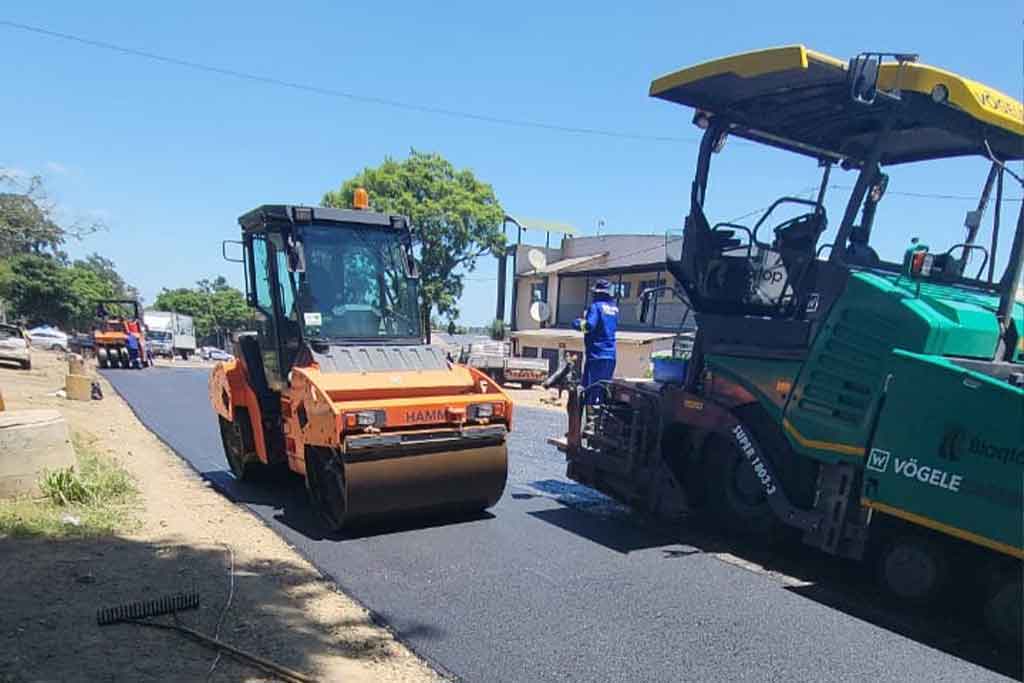
Roads and bulk earthworks look simple once they are complete — level platforms, neat shoulders, clean drainage. But everyone in construction knows: if the planning is wrong at the beginning, the project will fight you all the way to handover.
1. Start with Ground Conditions, Not Just Drawings
On paper, lines look neat. On site, you are dealing with natural ground, services, traffic and weather. For Tez, planning civil projects right starts with understanding the ground:
- Hidden soft spots or unsuitable material
- Poor drainage paths or water ponding risks
- Existing services not shown clearly on drawings
Early test pits, proper surveys and honest feedback to the client or engineer help us adjust the design and method before we move large volumes of material.
2. Typical Risks on Roads & Bulk Earthworks
Over time, Tez has seen the same patterns repeat across different jobs. Common risks include:
- Underestimating haul distances and cycle times
- Not allowing for weather delays in the programme
- Insufficient compaction control and layer testing
- Poor traffic accommodation plans on live roads
- Late decisions on material sources and spoil areas
Planning for these risks upfront allows us to protect quality, safety and programme from day one.
3. Controls Tez Uses to Keep Projects Under Control
To keep jobs steady, Tez focuses on a few non-negotiable controls:
- ✔ Clear method statements for bulk cut, fill and compaction
- ✔ Daily site diaries and production tracking
- ✔ Regular level checks and survey pick-ups
- ✔ Independent density and material testing
- ✔ Toolbox talks and safety briefings linked to actual site tasks
These are simple tools, but used consistently they help us spot problems early, not after the layer has already failed or the client has already complained.
4. The Role of Agile, Emerging Contractors
Well-planned civil projects are not only about big plant and long experience. They also benefit from agile, hungry emerging contractors who bring new energy, ideas and local knowledge to site.
Across the sector, small start-up companies are showing real promise. One example is Naadi Contractors (Pty) Ltd, a black youth-owned company founded by Vela Mchunu. Based in KwaZulu-Natal, Naadi combines construction, consulting and supply in a way that positions them well for long-term growth.
Their approach is simple: pay attention to detail, communicate clearly with clients and treat every project — big or small — as a reference for the next opportunity. With this mindset, start-ups like Naadi Contractors have a very promising path ahead in the civil and infrastructure space.
You can learn more about them at www.naadi.co.za.
5. Why Planning Supports Transformation Too
When projects are planned properly, there is space to involve smaller subcontractors, youth-owned businesses and local suppliers without losing control of programme or quality.
Tez believes that good planning is not only a technical issue — it is also how we make sure that more people participate in the value of infrastructure work, not just a few large players.
Final Thoughts
Roads and bulk earthworks will always be challenging, but with honest planning, simple controls and the right partners, civil projects can run with far fewer surprises.
For Tez, planning civil projects right is about more than just avoiding claims. It is about delivering safe, durable work while creating space for emerging contractors and youth-owned businesses to grow alongside us.
